
 See Our Latest Article on HelloNation
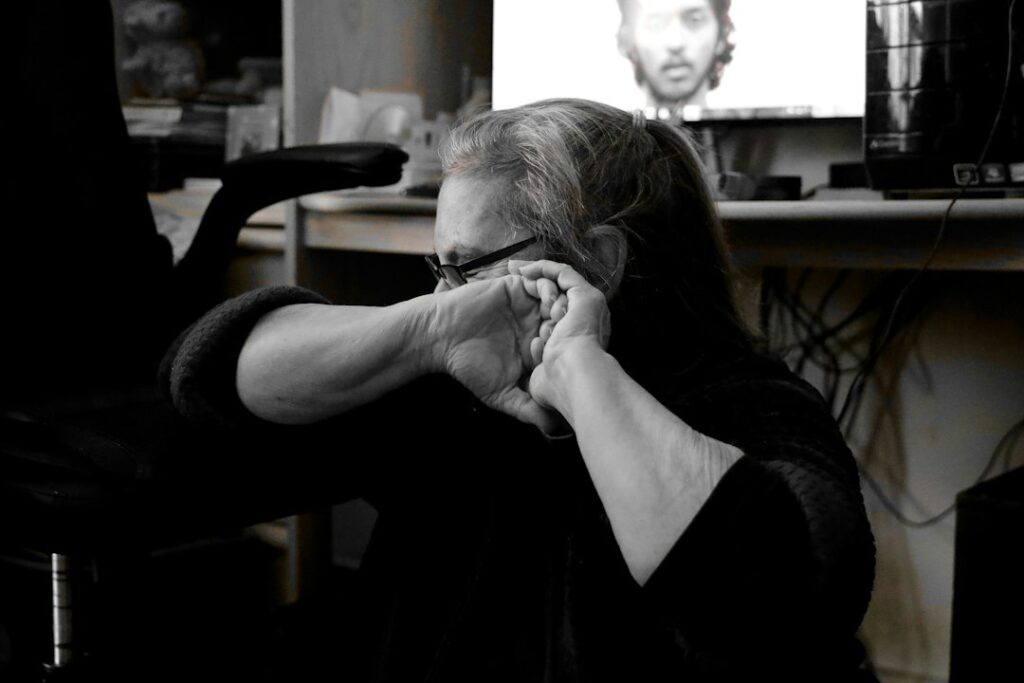
Headaches are common, and posture is not the cause of every headache. However, prolonged slouching, forward-head positioning, and sustained neck tension can contribute to some types of head pain—especially tension-type and cervicogenic headaches.
For residents in Canandaigua, long periods spent at a computer, looking down at a phone, driving, doing indoor winter activities, or working at a kitchen table can place extra strain on the neck and upper back. The result may be a headache that develops gradually and improves when the body position changes.
Can poor posture really cause headaches?
Yes, poor posture can contribute to headaches, but it is more accurate to say that posture may be one factor in a larger pattern of muscle strain and nervous-system sensitivity.
When the head moves forward in relation to the shoulders, the muscles at the back of the neck and upper shoulders must work continuously to support it. Sitting in the same position for a long time can also reduce movement in the upper back and place stress on joints, muscles, and connective tissues.
This may lead to:
- Tightness across the neck and shoulders
- Tender muscles at the base of the skull
- Reduced neck movement
- Aching around the forehead, temples, or back of the head
- A headache that becomes worse after screen use or prolonged sitting
Posture may also aggravate an existing tendency toward tension headaches or migraine. It does not necessarily mean that a visible slouch is the sole cause.
What does a posture-related headache feel like?
A headache influenced by neck strain often feels dull, pressing, or tight rather than sharply throbbing. Some people describe a band of pressure around the head. Others notice pain beginning in the neck or upper shoulders and traveling toward the back of the head, temple, or forehead.
A cervicogenic headache originates from structures in the neck and is commonly felt on one side, although symptoms can vary. Neck movement may increase the pain, and the headache may be associated with stiffness or limited motion.
Signs that posture may be contributing include:
- Symptoms that begin after working at a desk, driving, reading, or using a phone
- Relief after walking, changing positions, or lying down
- Neck or shoulder soreness occurring at the same time
- Headaches that are more frequent during long indoor work or study periods
- Pain that returns when the same sitting or standing habit resumes
These patterns are clues, not a diagnosis. Migraine, medication overuse, vision problems, sleep disruption, dehydration, jaw clenching, stress, and other conditions can cause similar symptoms.
How does forward-head posture affect the neck?
Forward-head posture occurs when the head rests in front of the shoulders instead of being balanced more directly over the spine. Looking down at a phone or laptop is a common example.
The neck is designed to move, but it is not designed to remain in one position for hours without breaks. Static posture can fatigue the muscles that support the head. The upper back may round, the shoulders may drift forward, and the muscles around the base of the skull may become irritated.
This does not mean that the spine is “out of place” every time someone slouches. Posture is dynamic, and there is no single perfect position that must be maintained all day. The more useful goal is to avoid staying in one position for too long and to make movement easier.
What simple changes may help?
Small adjustments can reduce the amount of time the neck spends under continuous strain.
When sitting:
- Keep the hips supported toward the back of the chair.
- Let the feet rest flat on the floor or on a stable support.
- Position the screen near eye level so the chin does not remain pointed downward.
- Keep the shoulders relaxed rather than pulled forcefully backward.
- Support the lower back if the chair leaves a large gap.
- Change position regularly instead of trying to hold one rigid posture.

For phones and tablets, raising the device closer to eye level can reduce repeated bending of the neck. A stand may help during longer viewing periods.
Movement breaks are often more practical than trying to maintain “perfect posture.” Standing, walking briefly, rolling the shoulders gently, or moving the neck through a comfortable range every 30 to 60 minutes can interrupt prolonged muscle loading.
Gentle stretching may help some people, but it should not cause sharp pain, dizziness, numbness, or worsening symptoms. Heat from a warm shower or compress may also ease muscular tightness. People with recent injuries or significant neck problems should use caution with stretching and self-treatment.
Could winter habits make posture-related discomfort more noticeable?
Seasonal routines can influence how long people remain in fixed positions. During colder months in Canandaigua, residents may spend more time indoors at desks, on couches, or using laptops in less supportive positions. Heavy winter clothing, shoveling, carrying supplies, and reduced outdoor activity can also change how the neck and shoulders are used.
The issue is usually not cold weather itself. It is the combination of limited movement, awkward positions, muscular fatigue, and changes in daily routine. A supportive work area and regular movement can be useful whether the activity takes place at a desk, on a couch, or at a kitchen table.
Is every headache caused by posture?
No. Posture is only one possible contributor.
Migraine may cause throbbing pain, nausea, sensitivity to light or sound, and worsening with routine physical activity. Tension-type headaches may occur with stress, poor sleep, dehydration, or muscle tenderness. Sinus symptoms, eye strain, jaw clenching, viral illness, medication overuse, and hormonal changes can also play a role.
A person may notice neck tightness during a migraine without the neck tightness being the original cause. In other cases, neck strain may trigger or amplify head pain. Keeping a brief record of sleep, meals, hydration, screen time, stress, activity, and symptoms can help reveal patterns.
When should a headache be medically evaluated?
A recurring headache, a headache that is changing, or pain that interferes with normal activities deserves medical attention. Evaluation is particularly appropriate when headaches are becoming more frequent, lasting longer, or occurring with persistent neck pain, numbness, tingling, weakness, balance problems, or vision changes.
Emergency care is needed for a sudden, severe headache that reaches maximum intensity quickly; a headache after a significant head injury; or head pain accompanied by confusion, fainting, seizure, trouble speaking, facial drooping, new weakness, loss of vision, high fever, or a stiff neck.
Posture-related discomfort is usually gradual and linked to sustained positioning. Serious headaches may not follow that pattern, so new or alarming symptoms should not be explained away as “just bad posture.”
A practical way to test whether posture is involved
For several days, observe when the headache begins and what was happening beforehand. Note whether symptoms follow long screen sessions, driving, reading, phone use, or work without breaks. Then make modest changes: raise the screen, support the back, take regular movement breaks, and avoid holding the neck in one position.
If symptoms improve but repeatedly return, posture may be contributing. If they persist, worsen, or do not fit a clear pattern, the cause may be something else and should be assessed rather than assumed.
