
 See Our Latest Article on HelloNation
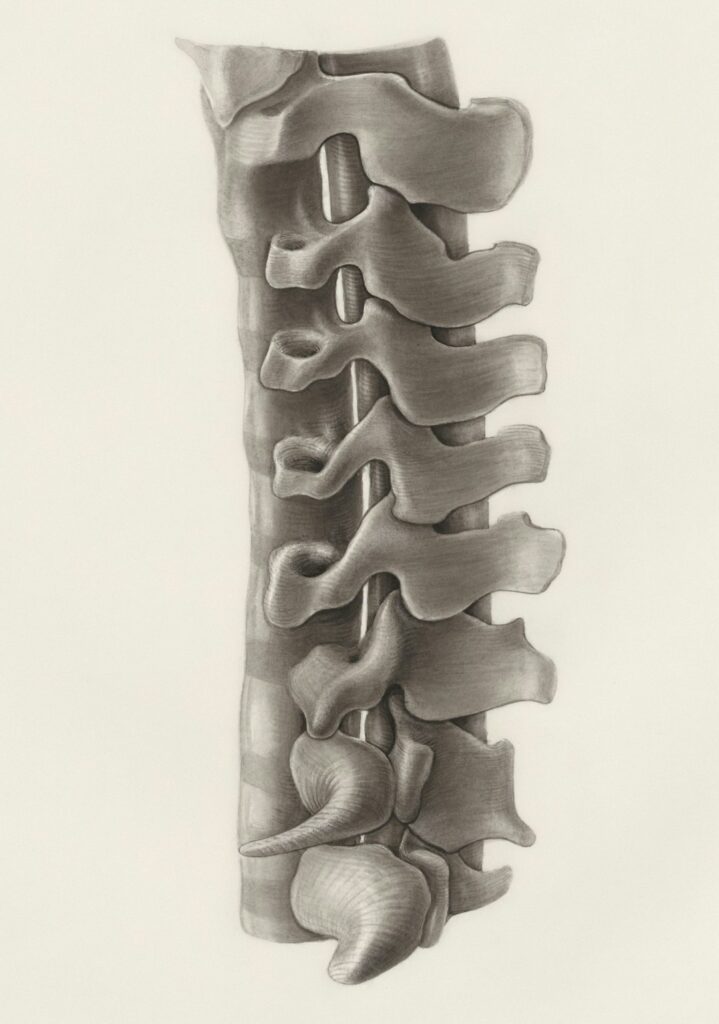
A herniated disc can cause anything from localized back or neck pain to burning, tingling, numbness, or weakness in an arm or leg. Many cases improve without surgery, but the right approach depends on the symptoms, the affected part of the spine, and whether a nerve is being compressed.
What is a herniated disc?
A herniated disc occurs when the softer inner material of a spinal disc pushes through a weakened or torn outer layer. Spinal discs sit between the vertebrae and help absorb movement and pressure.
Herniated discs most often affect the lower back, although they can also occur in the neck. A disc problem does not always cause symptoms. Some people have visible disc changes on an imaging scan without pain or loss of function.
Symptoms are more likely when the displaced disc material irritates or compresses a nearby nerve. In the lower back, this may produce sciatica-like symptoms that travel through the buttock and down the leg. In the neck, discomfort may extend into the shoulder, arm, or hand.
What symptoms should residents watch for?
Pain from a herniated disc may feel sharp, aching, burning, or electric. It can worsen with coughing, sneezing, prolonged sitting, bending, or lifting, although the pattern varies.
Common symptoms include:
- Lower back or neck pain
- Pain that travels into an arm or leg
- Numbness or tingling
- Muscle weakness
- Reduced ability to bend, walk, grip, or lift comfortably
- Pain that is worse in one position and better in another
A herniated disc is only one possible explanation for back or neck pain. Muscle strain, arthritis, spinal stenosis, sacroiliac joint irritation, hip problems, and other conditions can create similar symptoms. A physical examination is often more useful than assuming that every episode of sciatica is caused by a disc.
For people in Canandaigua, symptoms may become more noticeable during seasonal tasks such as shoveling, carrying firewood, moving outdoor equipment, or returning to recreational activities after a period of reduced winter activity. Sudden increases in workload can aggravate the back even when there is no major injury.
How is a herniated disc diagnosed?
Diagnosis usually begins with a detailed history and examination. A clinician may assess strength, sensation, reflexes, walking, spinal movement, and whether certain positions reproduce the symptoms.
Imaging is not automatically necessary for every episode of back pain. MRI is generally considered when symptoms are persistent, severe, worsening, or accompanied by significant neurological findings. Imaging may also be appropriate when there has been major trauma or when another serious condition needs to be ruled out.
An MRI finding should be interpreted alongside the person’s symptoms. Disc bulges and degenerative changes are common, including in people who have no pain. A scan alone does not establish that a disc is the source of every symptom.
Can chiropractic care help a herniated disc?
Chiropractic care may be part of conservative care for selected patients, particularly when symptoms are stable and there are no signs of serious nerve impairment. Care may include education, movement guidance, gentle mobilization, exercise planning, and—in appropriate cases—spinal manipulation.
The purpose is not to “push the disc back into place.” That phrase oversimplifies what is happening inside the spine. A more realistic goal is to reduce aggravating mechanical stress, improve movement, support normal activity, and help manage pain while the irritated tissues recover.
Spinal manipulation is not appropriate for everyone with a suspected disc problem. A careful evaluation should come first, including questions about:
- The location and duration of pain
- Numbness, tingling, or weakness
- Previous spinal injuries or surgery
- Osteoporosis or fracture risk
- Cancer, infection, or inflammatory disease
- Medications that affect bleeding or bone health
- Changes in bladder or bowel control
Treatment should be adjusted if symptoms worsen, spread, or begin to affect strength or coordination. Chiropractic care may also be coordinated with primary care, physical therapy, pain management, or spine specialists when that is medically appropriate.
What does conservative care usually involve?
Most uncomplicated disc-related symptoms are initially managed without surgery. The plan may include staying gently active, avoiding movements that sharply increase symptoms, and gradually returning to normal tasks.
Depending on the situation, conservative care may involve:
- Short periods of relative rest rather than prolonged bed rest
- Walking or other tolerable low-impact movement
- Home exercises that do not increase leg or arm symptoms
- Heat or cold for temporary comfort
- Medication guidance from a qualified medical clinician
- Manual therapy or mobilization
- Strengthening of the trunk, hips, or shoulder region as symptoms settle
- Work and household modifications during recovery

Prolonged inactivity can lead to stiffness, deconditioning, and fear of movement. At the same time, trying to “push through” severe radiating pain or progressive weakness can delay appropriate evaluation. The useful middle ground is activity that remains within tolerable limits and is increased gradually.
Many people improve over several weeks. Recovery is not always linear: a better day may be followed by a flare after sitting too long, lifting, or sleeping awkwardly. That does not automatically mean the disc has become more damaged.
When is a herniated disc an emergency?
Certain symptoms require urgent medical assessment rather than routine conservative care. Seek emergency attention for:
- New loss of bladder or bowel control
- Inability to urinate despite feeling the need to do so
- Numbness around the inner thighs, groin, buttocks, or saddle area
- Rapidly worsening weakness in an arm or leg
- Severe difficulty walking or coordinating the limbs
- Back pain accompanied by fever, serious illness, or recent major trauma
These symptoms can indicate significant nerve compression or another urgent condition. A person with progressive weakness should not rely on home treatment or manual care alone.
Medical evaluation is also warranted for unexplained weight loss, a history of cancer, severe nighttime pain, significant osteoporosis, recent infection, or pain that does not behave like a typical movement-related problem.
Does a herniated disc always require surgery?
No. Surgery is usually considered when symptoms remain disabling despite appropriate nonsurgical care, or sooner when there is severe or progressive neurological loss. Emergency surgery may be necessary in rare cases involving major nerve compression and bladder, bowel, or saddle-area changes.
For many people, the focus is symptom control, maintaining safe activity, and allowing irritated nerve tissues time to recover. A decision about surgery should be based on the complete clinical picture rather than an MRI phrase by itself.
What can help prevent another episode?
No prevention plan can eliminate every disc problem, but several habits may reduce strain and improve resilience:
- Build activity gradually after periods of inactivity.
- Use the legs and keep loads close when lifting.
- Change position regularly during desk work or driving.
- Strengthen the abdomen, hips, and back with exercises suited to current ability.
- Avoid smoking or tobacco use, which can impair disc health.
- Address sleep, stress, and general conditioning.
- Break up demanding seasonal chores into smaller tasks.
For local households managing snow, uneven outdoor surfaces, long drives, or home maintenance, pacing matters. Lifting while twisting, rushing through a chore, or handling a heavier load than usual can trigger symptoms even when the underlying disc changes developed gradually.
Understanding the difference between ordinary soreness, nerve-related symptoms, and emergency warning signs makes it easier to respond appropriately. Chiropractic care can be useful for some people, but it should be based on a careful assessment and used as one part of a broader, safety-focused plan.
