
 See Our Latest Article on HelloNation
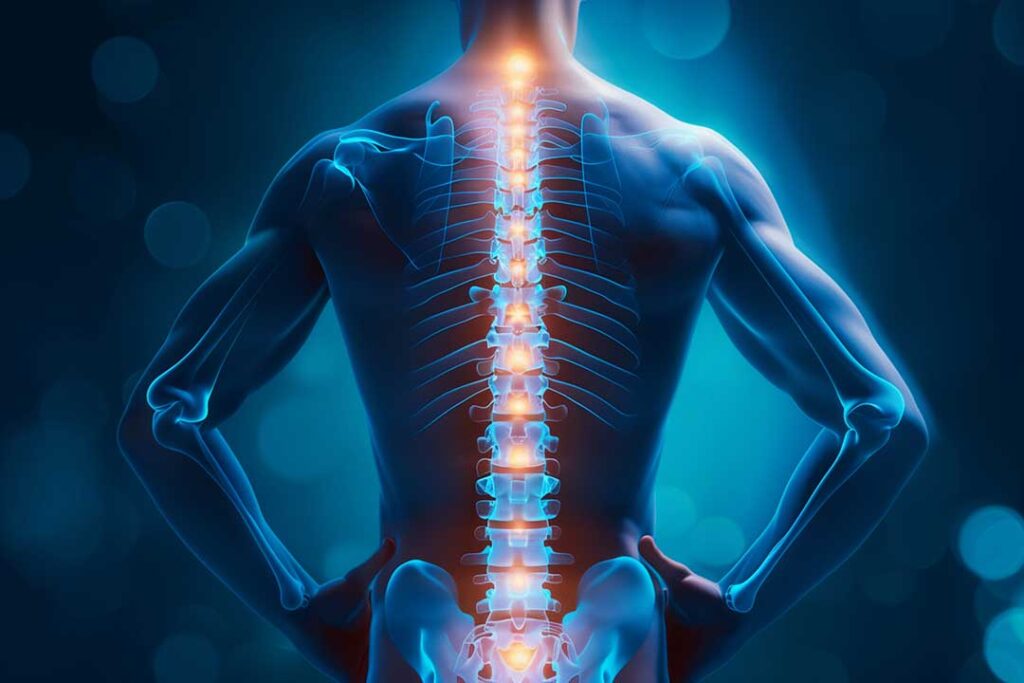
A healthy spine depends less on perfect posture or occasional stretching and more on consistent daily habits. Regular movement, sensible lifting, supportive sleep positions, and attention to warning signs can help local residents protect back and neck function through work, home projects, recreation, and seasonal activities.
What does it mean to maintain a healthy spine?
Maintaining spinal health means keeping the muscles, joints, bones, and supporting tissues strong enough to handle ordinary movement. It does not require avoiding all bending, lifting, or physical activity. In fact, too much inactivity can reduce strength and make routine tasks feel harder.
A practical approach includes:
- Moving regularly instead of remaining in one position for long periods
- Building strength in the legs, hips, abdomen, and back
- Using controlled techniques for lifting, carrying, pushing, and pulling
- Adjusting activities gradually after periods of inactivity
- Responding appropriately to pain rather than ignoring or fearing every symptom
Spinal discomfort can result from muscle strain, joint irritation, disc problems, arthritis, nerve involvement, or other conditions. Healthy habits may reduce strain, but they cannot prevent every cause of back or neck pain.
How much exercise supports spinal health?
Adults generally benefit from at least 150 minutes of moderate-intensity aerobic activity each week, along with muscle-strengthening activity on two or more days. This can be divided into shorter sessions, such as several brisk walks during the week and two brief strength routines.
Walking is a useful starting point because it is accessible and places the body through repeated, comfortable movement. During warmer months, outdoor walks and light yard work may provide additional activity. In colder weather, indoor walking, stationary cycling, water exercise, or simple home-based movements can help maintain consistency.
Strength exercises should involve major muscle groups, including:
- Legs and hips
- Abdominal and trunk muscles
- Upper back and shoulders
- Arms and chest
Exercises such as chair stands, step-ups, resistance-band rows, bridges, and modified planks can be adapted to different fitness levels. Begin with manageable resistance and increase gradually. A sudden return to strenuous exercise after a sedentary period can create more risk than benefit.
Does good posture prevent back pain?
Good posture can reduce unnecessary strain, but there is no single “perfect” posture that must be maintained all day. The most helpful habit is changing positions regularly and avoiding prolonged slouching or rigid holding patterns.
For desk work or household paperwork:
- Keep both feet supported when possible.
- Position the screen near eye level.
- Let the shoulders relax rather than rounding them forward.
- Keep frequently used items within easy reach.
- Stand, walk, or stretch briefly every 30 to 60 minutes.
A supportive chair may help, but an expensive chair is not essential. Frequent movement often matters more than holding an ideal position for hours.
Driving and longer trips can also place stress on the lower back. Adjust the seat so the knees and hips are comfortably supported, keep the backrest reasonably upright, and take breaks to stand and walk when traveling for an extended time.
What is the safest way to lift?
Safe lifting begins before an object leaves the ground. Check its weight, clear the path, and decide whether it can be divided into smaller loads. This is especially useful during home repairs, moving tasks, gardening, and winter cleanup.
Use these general principles:
- Stand close to the object.
- Place the feet in a stable position.
- Bend through the hips and knees rather than rounding only through the lower back.
- Keep the load close to the body.
- Tighten the abdominal muscles gently.
- Lift smoothly without jerking.
- Turn with the feet instead of twisting the torso while carrying.
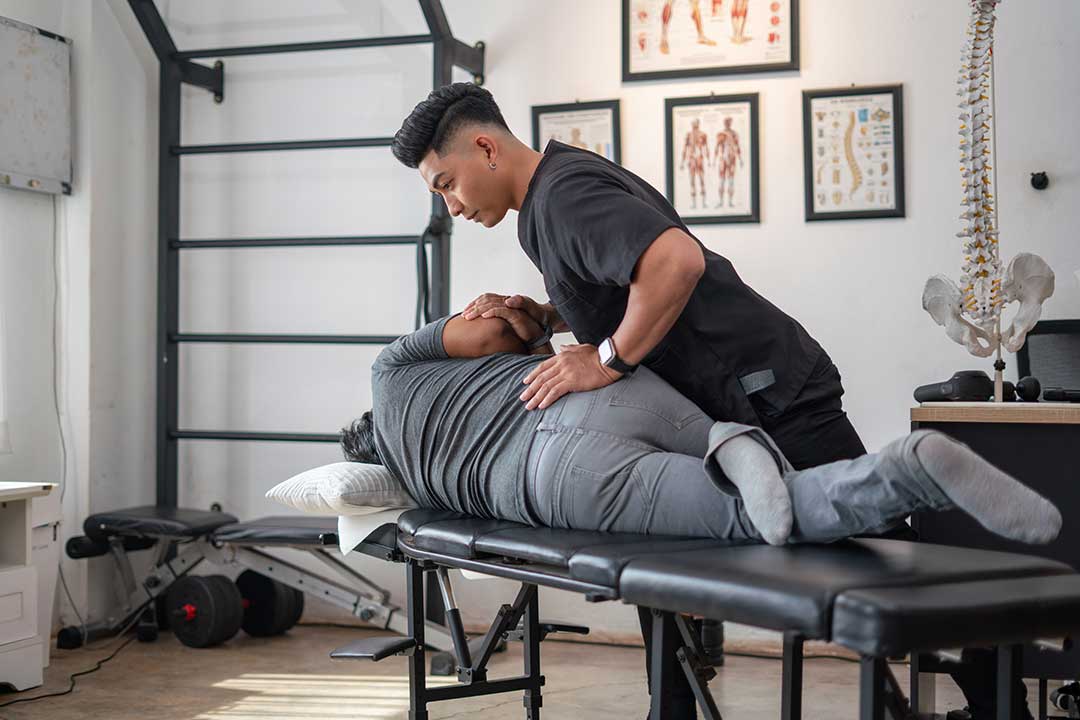
A common misconception is that lifting with the legs makes every heavy object safe. Even with good technique, a load may be too heavy, awkward, or unstable for one person. Making additional trips or asking for assistance can reduce the chance of an injury.
Pushing can also strain the spine. Whenever possible, push rather than pull, keep the hands near waist level, and use the legs to create steady force.
How should winter and seasonal chores be approached?
Snow, ice, wet leaves, and uneven ground can increase the likelihood of slips and sudden back strain. Clear walkways before carrying items, wear footwear with reliable traction, and avoid rushing across icy surfaces.
Shoveling is safer when the work is divided into smaller intervals. Use a manageable amount of snow per scoop, keep the shovel close, and avoid throwing heavy loads with a twisting motion. If the snow is dense or wet, reduce the load further and take frequent breaks.
After periods of reduced activity, such as a winter spent mostly indoors, restart outdoor chores gradually. Muscles and joints may need time to adjust to repeated bending, carrying, or climbing.
Does sleep position affect the spine?
Sleep position can influence comfort, although there is no universally correct position. Side sleeping with a pillow between the knees may reduce twisting through the pelvis and lower back. Back sleepers may feel more comfortable with a pillow beneath the knees.
A mattress does not need to be extremely firm to support the spine. The better choice is one that allows comfortable sleep without creating pronounced sagging or pressure. Persistent morning pain may also reflect daytime habits, an underlying condition, or poor sleep quality rather than the mattress alone.
What nutrition and lifestyle habits matter?
Bone and muscle health are supported by adequate nutrition, regular activity, and a healthy body weight. Meals that include protein, calcium-rich foods, fruits, vegetables, and sources of vitamin D can support the structures that help protect the spine.
Smoking can impair circulation and is associated with poorer bone and tissue health. Managing stress and getting sufficient sleep may also help because muscle tension, fatigue, and reduced activity can amplify discomfort.
Stretching may improve flexibility and feel helpful, but stretching alone does not replace strength training or regular movement. A stretch should feel controlled and mild, not sharp or forced.
When should back or neck pain be evaluated?
Mild soreness after an unfamiliar activity often improves with relative rest, gentle movement, and a gradual return to normal activity. Prolonged bed rest is generally not helpful for ordinary back strain.
Medical evaluation is more urgent when pain follows a major fall or collision, or when it occurs with:
- New weakness in an arm or leg
- Numbness that is spreading or severe
- Loss of bladder or bowel control
- Numbness around the inner thighs or groin
- Fever, unexplained weight loss, or a history of cancer
- Severe pain that is worsening or not improving
Pain that travels into the buttock or leg, persistent nighttime pain, or symptoms that interfere with walking and daily activities also deserve attention. These signs do not identify a diagnosis by themselves, but they should not be dismissed.
A healthy spine is supported by ordinary choices repeated over time: move often, strengthen gradually, lift thoughtfully, prepare for seasonal conditions, and take persistent or unusual symptoms seriously.
