
 See Our Latest Article on HelloNation
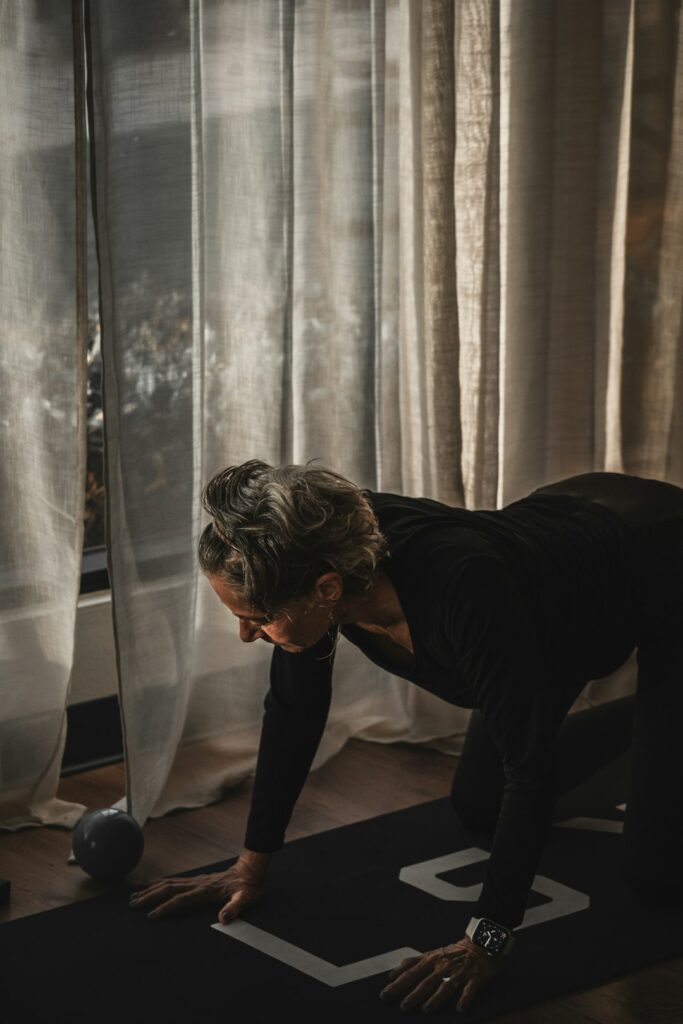
Back strength is not built by working the spine alone. The muscles of the abdomen, hips, buttocks, and upper legs also help support the back during lifting, walking, bending, and everyday movement. A simple routine that combines core control, hip strength, and regular activity can help many adults move with more confidence.
Exercise should feel controlled rather than forceful. Mild muscle effort or stretching may be expected, but sharp pain, increasing numbness, or symptoms that travel farther into the leg are reasons to stop.
What exercises help strengthen the back?
The most useful exercises are usually those that train the body to keep the spine steady while the arms and legs move. These movements can be performed at home with a mat, a sturdy chair, or a wall.
1. Bird-dog
Bird-dog exercises train the back, abdominal muscles, hips, and shoulders while emphasizing balance and control.
- Start on your hands and knees with hands below the shoulders and knees below the hips.
- Gently tighten the abdomen without holding your breath.
- Extend one leg straight behind you while reaching the opposite arm forward.
- Keep the hips level and avoid arching the lower back.
- Hold for three to five seconds, then return slowly.
- Repeat on the opposite side.
Begin with five repetitions per side. If extending the arm and leg together is difficult, practice moving only one limb at a time.
2. Glute bridge
Strong buttock muscles can reduce the amount of work placed on the lower back during standing, climbing, and lifting.
- Lie on your back with knees bent and feet flat on the floor.
- Place the feet about hip-width apart.
- Tighten the abdominal muscles gently.
- Press through the feet and lift the hips until the body forms a comfortable line from the shoulders to the knees.
- Avoid pushing the hips so high that the lower back arches.
- Lower slowly.
Try eight to twelve repetitions. The effort should be felt mainly in the buttocks and the back of the thighs, not as a pinch in the lower back.
3. Dead bug
This exercise builds abdominal control while the spine remains supported by the floor.
- Lie on your back with the knees bent and lifted over the hips.
- Raise the arms toward the ceiling.
- Slowly lower one heel toward the floor while reaching the opposite arm overhead.
- Return to the starting position and switch sides.
- Keep the lower back gently supported; reduce the range of motion if the back arches.
Start with four to six repetitions per side. Moving slowly is more valuable than extending the limbs as far as possible.
4. Wall sit
Wall sits strengthen the thighs and hips, which help the back during standing and lifting.
- Stand with your back against a wall and feet slightly forward.
- Slide down only as far as comfortable.
- Keep the knees pointed in the same direction as the toes.
- Hold for ten to twenty seconds.
- Slide back up carefully.
Repeat two or three times. A shallow wall sit is appropriate for beginners. There is no need to aim for a deep squat.
5. Hip hinge practice
Many back strains happen during repeated bending. Learning to bend from the hips instead of rounding through the lower back can make household tasks more controlled.
- Stand with feet about hip-width apart.
- Place your hands across the front of the hips.
- Soften the knees.
- Push the hips backward while keeping the chest open and spine neutral.
- Return to standing by pressing through the feet and bringing the hips forward.
Practice five to ten repetitions without holding weight. This movement can later help with tasks such as lifting a laundry basket, reaching into a lower cabinet, or picking up a light object.
How often should these exercises be done?
For general strengthening, two or three sessions per week are a reasonable starting point. A short routine is often easier to maintain than an occasional demanding workout.
A beginner routine might include:
- Bird-dog: five repetitions per side
- Glute bridge: eight repetitions
- Dead bug: four repetitions per side
- Wall sit: two ten-second holds
- Hip hinge: eight repetitions
- Easy walking: five to fifteen minutes

Add repetitions gradually when the movements feel steady and symptoms do not increase afterward. Strengthening does not require exercising to exhaustion.
Walking also matters. Regular walks can help maintain mobility and endurance, especially for people who spend much of the day sitting. During icy winter conditions, indoor walking or gentle movement at home may be safer than risking a fall outdoors.
Should you exercise if your back already hurts?
Often, gentle movement is preferable to prolonged bed rest, but the right activity depends on the cause and severity of the pain. A new episode may respond better to short walks, comfortable position changes, and low-effort movements before strengthening exercises are added.
Use these guidelines:
- Stop an exercise that causes sharp, electrical, or rapidly worsening pain.
- Avoid repeatedly pushing through pain that travels down the leg.
- Reduce the number of repetitions if soreness lasts well into the following day.
- Change positions regularly instead of remaining seated for long periods.
- Use slow breathing and avoid holding the breath during effort.
Some people feel temporary muscle soreness after beginning a new routine. That is different from worsening nerve symptoms, significant weakness, or pain that becomes more intense with each session.
What common mistakes make back exercises less effective?
The most frequent problem is using speed or range of motion to compensate for weak control. A smaller, slower movement is usually more useful than a larger movement performed with the back twisting or arching.
Other mistakes include:
- Trying advanced exercises before mastering basic positions
- Letting the pelvis rotate during bird-dog movements
- Lifting the hips too high during bridges
- Holding the breath during effort
- Exercising only during painful flare-ups and stopping all movement afterward
- Treating stretching as a substitute for strength and endurance
- Adding weights before bodyweight movements feel stable
Back exercises should support normal daily activity, not create fear of movement. The goal is improved control, tolerance, and confidence.
When should back pain be evaluated?
Certain symptoms require medical attention rather than a home exercise experiment. Seek prompt evaluation for back pain accompanied by new loss of bladder or bowel control, numbness around the groin, severe or progressive leg weakness, fever, unexplained weight loss, or pain after a major fall or collision.
An evaluation is also sensible when pain is persistent, repeatedly returning, interfering with sleep, or preventing normal walking and household activities. People recovering from spine surgery, a fracture, or a significant injury should follow an individualized exercise plan.
For many residents of Canandaigua, seasonal routines can affect the back. Snow removal, carrying wet clothing, prolonged driving, and long periods indoors may increase stiffness or strain. Breaking these activities into shorter periods, changing positions, and using hip and leg strength rather than rounding through the waist can make daily movement more manageable.
A strong back is supported by consistent movement, not a single perfect exercise. Begin with controlled repetitions, pay attention to symptoms, and progress only when the body is handling the current level comfortably.
