
 See Our Latest Article on HelloNation
What does healthy aging mean?
Healthy aging is less about avoiding every ache and more about preserving function, independence, and confidence in daily life. That includes being able to walk safely, get up from a chair, carry household items, use stairs, sleep comfortably, and remain active in the community.
Chiropractic care may support these goals when it is focused on musculoskeletal concerns such as back pain, neck discomfort, joint stiffness, and reduced movement. It should be viewed as one part of a broader plan that may also include medical care, physical activity, nutrition, vision checks, medication review, and fall prevention.
How can chiropractic care support mobility?
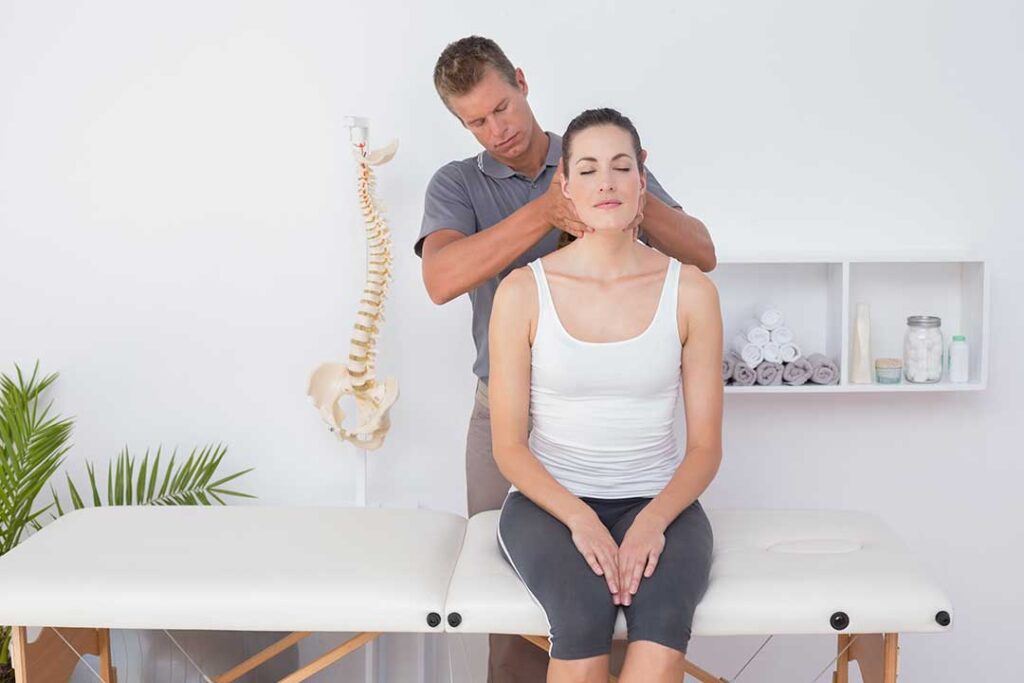
Chiropractic care commonly includes a health history, physical assessment, movement evaluation, and treatment directed at the muscles and joints. Depending on the person’s condition, care may involve spinal manipulation, joint mobilization, soft-tissue techniques, stretching, or guidance about movement and daily activities.
The practical goal is not to “reverse” aging. It is to help a person move with less discomfort and maintain useful physical abilities. For example, a person with stiffness after sitting may benefit from strategies that make it easier to transition from a chair to standing, turn while walking, or resume gentle exercise.
Research summarized by the National Center for Complementary and Integrative Health indicates that spinal manipulation may provide modest improvement for some adults with acute low-back pain. That evidence does not mean it treats every cause of pain or prevents all age-related conditions. ([nccih.nih.gov](https://www.nccih.nih.gov/health/spinal-manipulation-what-you-need-to-know?utm_source=openai))
Can chiropractic care help with balance or fall prevention?
Chiropractic treatment alone should not be considered a complete fall-prevention program. Balance depends on several systems, including leg strength, vision, sensation in the feet, reaction time, medications, blood pressure, footwear, and the safety of the home.
Movement-focused chiropractic care may contribute by addressing pain or stiffness that makes walking and turning more difficult. A careful evaluation may also identify mobility limitations that deserve attention. However, evidence-based fall prevention places strong emphasis on strength and balance exercises, home safety, vision care, medication review, and osteoporosis screening when appropriate. ([cdc.gov](https://www.cdc.gov/falls/prevention/index.html?utm_source=openai))
The National Institute on Aging recommends combining aerobic activity, muscle strengthening, balance work, and flexibility. Strengthening the legs and practicing safe balance movements can make everyday tasks such as climbing stairs or rising from a chair easier. ([nia.nih.gov](https://www.nia.nih.gov/health/caregiving/healthy-aging-tips-older-adults-your-life?utm_source=openai))
For older adults, useful activities may include:
- Walking at a comfortable pace
- Practicing sit-to-stand movements with a stable chair nearby
- Performing gentle leg and hip strengthening exercises
- Using balance exercises recommended for the person’s ability
- Stretching after the body is warm rather than forcing stiff joints
Anyone who feels unsteady should use support and avoid practicing challenging balance exercises alone.
What local conditions can affect mobility?
Seasonal conditions can change how older adults move. Snow, ice, wet entryways, heavy clothing, and reduced daylight may make outdoor walking more demanding during parts of the year. Even a person who moves comfortably indoors may feel less stable when stepping over uneven ground or walking across a slippery surface.
Practical precautions include keeping walkways well lit, using stable footwear, clearing snow and ice promptly, securing loose rugs, and placing frequently used items within easy reach. Inside the home, handrails on stairs and grab bars near bathing areas can reduce unnecessary strain and improve confidence.
During periods when outdoor activity is limited, indoor walking, chair-based exercises, resistance bands, or supervised strength work can help maintain routine. Physical activity recommendations should be adjusted for medical conditions, recent surgery, osteoporosis, dizziness, or a history of falls.
Is spinal manipulation appropriate for every older adult?
No. Age alone does not automatically rule out chiropractic care, but older adults may have health conditions that require a more cautious approach. Osteoporosis, recent fractures, inflammatory disease, cancer, neurological symptoms, blood-thinning medication, recent surgery, and significant vascular conditions can affect which techniques are appropriate.
NCCIH reports that temporary soreness, stiffness, headache, or increased discomfort can occur after spinal manipulation or mobilization. Serious complications have been reported but are very rare; risk may be higher when underlying health problems are present. A thorough health history and medication review are therefore essential before treatment. ([nccih.nih.gov](https://www.nccih.nih.gov/health/spinal-manipulation-what-you-need-to-know?utm_source=openai))
A person should share information about:
- Osteoporosis or a history of fractures
- Recent falls, injuries, or surgery
- Numbness, weakness, or changes in coordination
- Blood-thinning medication
- Cancer, infection, or unexplained weight loss
- Severe or rapidly worsening pain
- Dizziness, fainting, or new problems with walking
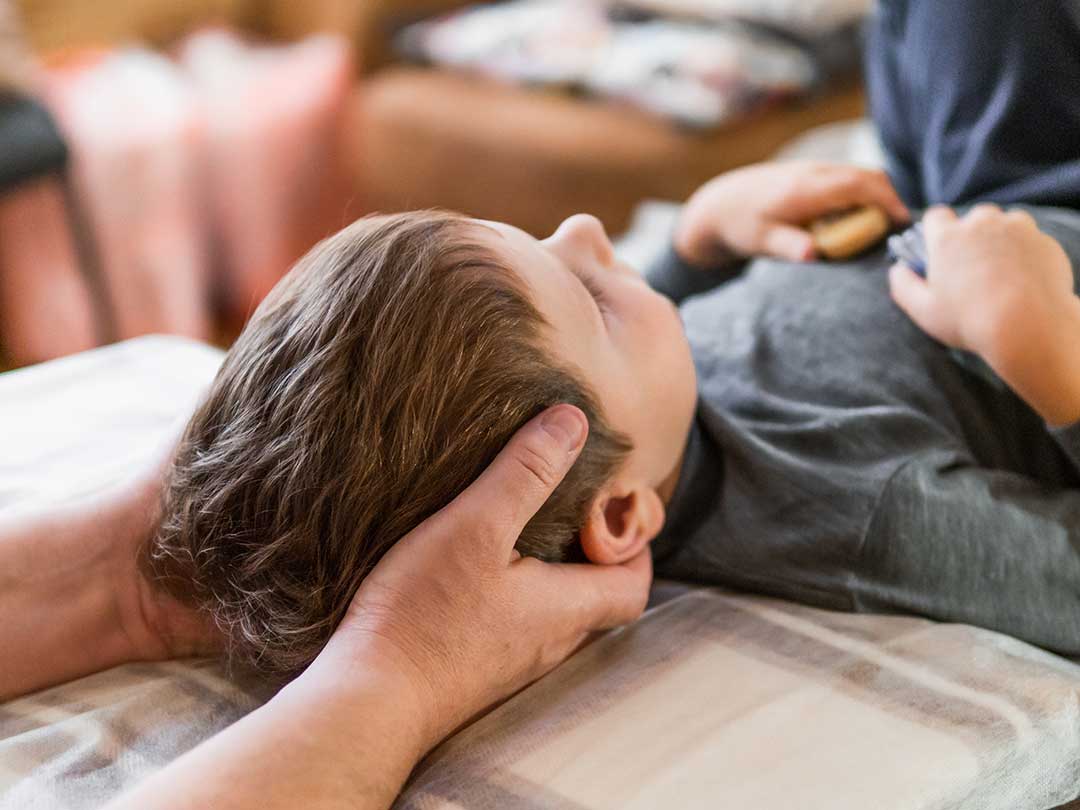
Forceful treatment is not automatically better treatment. For some individuals, gentle mobilization, exercise instruction, or referral for another form of care may be more suitable.
When should back or neck pain be medically evaluated?
New pain after a significant fall, especially in an older adult, deserves prompt medical assessment. The same is true for pain accompanied by fever, unexplained weight loss, cancer history, major weakness, loss of bladder or bowel control, numbness in the groin area, or steadily worsening neurological symptoms.
Sudden severe headache, facial drooping, difficulty speaking, chest pain, fainting, or one-sided weakness requires emergency attention rather than routine musculoskeletal care.
Persistent pain can also have causes that are not primarily mechanical. Arthritis, spinal narrowing, osteoporosis-related fractures, nerve conditions, medication effects, and systemic illness may require medical testing or treatment beyond chiropractic care.
How should chiropractic care fit into a healthy-aging plan?
The most useful approach is coordinated and function-oriented. Instead of focusing only on whether a joint “adjusted,” consider whether daily abilities are improving. Relevant questions include:
- Is walking more comfortable?
- Is it easier to stand, turn, reach, or climb stairs?
- Can activity be increased safely?
- Is sleep improving?
- Are exercises being performed consistently?
- Has fall risk been addressed beyond pain relief?
A broader plan may include primary medical care, physical therapy, occupational therapy, exercise programming, nutrition support, vision care, and home-safety changes. The CDC recommends strength and balance activities, medication review, eye checks, osteoporosis screening, and practical home modifications as part of fall prevention. ([cdc.gov](https://www.cdc.gov/falls/prevention/index.html?utm_source=openai))
Healthy aging is supported by regular movement, adequate nutrition, restorative sleep, social connection, and attention to chronic conditions. Chiropractic care may have a useful role when it helps an older adult manage musculoskeletal discomfort and stay engaged in those larger health habits—but it should complement, not replace, appropriate medical evaluation and evidence-based exercise.
